Sesame farming offers a lucrative opportunity for farmers looking to maximize profits with minimal input. Its adaptability, low resource requirements, and potential for dual cropping make it an excellent choice for boosting income. Here’s how you can make more money farming sesame by leveraging its unique advantages.
Why Choose Sesame Farming?
Sesame is a resilient crop that thrives in diverse conditions, requiring less input than many other crops. It can be grown on both tilled and untilled soil, making it suitable for various farm setups. Additionally, sesame’s ability to be planted late in the season and its compatibility as a secondary crop allow farmers to generate dual profits from the same land within a single season.
Cost-Saving Planting Techniques
To maximize profitability, opt for the broadcast method of planting. This approach is less labor-intensive and reduces costs compared to precision planting, as it requires minimal equipment and time. Simply scatter sesame seeds evenly across the field and lightly cover them with soil. While this method may slightly reduce uniformity, it significantly cuts labor and input costs, making it ideal for budget-conscious farmers.
Optimize Costs While Maximizing Yield
Sesame is naturally low-maintenance, but strategic practices can further enhance profitability:
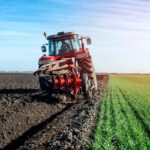
- Soil Preparation: Since sesame grows well on both tilled and untilled soil, assess your land’s condition. If the soil is already loose, skip tilling to save on fuel and labor costs.
- Seed Selection: Choose high-yielding, disease-resistant sesame varieties Ex Sudan, Jigida This ensures better output without excessive investment in pesticides.
- Water Management: Sesame is drought-tolerant, so avoid over-irrigation. Rely on natural rainfall when possible, supplementing with minimal irrigation during dry spells.
- Fertilizer Use: Apply fertilizers sparingly, focusing on nutrient-rich compost or affordable organic alternatives to keep costs low while supporting healthy growth.
By prioritizing these cost-saving measures, you can achieve high yields without breaking the bank.

Double Your Profits with Dual Cropping
One of sesame’s biggest advantages is its potential as a secondary crop. After harvesting your primary crop in August (such as maize), plant sesame on the same land within the same season either by drill planting or broadcasting of seeds. This dual-cropping strategy maximizes land use, effectively doubling your income without additional land investment. Ensure the soil is still nutrient-rich or apply a light layer of fertilizer to support sesame growth after the primary crop. Sesame can be planted from 15 august to 14 September in north central of Nigeria.
NOTE: If you are planning to cultivate sesame as a secondary crop to maximize your return, ensure you plant an early variety of the primary crop e.g Seedco 419 maize
Practical Tips for Success
- Timing: Plant sesame immediately after harvesting your primary crop to take advantage of residual soil moisture and nutrients.
- Weed Control: Use pre and post emergence herbicides early in the sesame growth cycle to prevent competition and ensure healthy plants.
- Harvest Efficiently: Sesame pods mature at different times, so monitor your fields closely. Harvest when most pods turn brown to avoid seed loss while maximizing quality.
- Market Research: Connect with local and regional buyers, such as food processors or exporters, to secure the best prices for your sesame seeds.
Conclusion
Sesame farming is a smart way to boost your income with minimal investment. By using cost-effective planting methods, leveraging its late-season planting potential, and growing it as a secondary crop, you can maximize yields and profits. With careful planning and efficient practices, sesame can transform your farm into a more profitable venture, all while requiring fewer resources than traditional crops. Start incorporating sesame into your farming strategy today and watch your earnings grow!



No comment yet, add your voice below!