Sesame is a valuable crop grown for its oil-rich seeds, but farmers often face challenges with poor germination, which can significantly impact yield. Several factors contribute to this issue, including insect activity, insufficient moisture, poor seed quality from storage, and other environmental or management-related factors. Below, we explore these causes in detail and provide insights into mitigating them.

-
Insect Activity (Ants and Other Pests)
Insects, particularly ants, can severely affect sesame seed germination. Ants are known to feed on or carry away sesame seeds before they can germinate, especially in dry or sandy soils where seeds are more exposed. Broadcast sesame are severely affected as more than 30% are lost due to ant activities especially in the absence of rain after planting. Other pests, such as beetles or soil-dwelling larvae, may also damage seeds by feeding on their nutrient-rich embryos, preventing successful sprouting.
- Impact: Ants can remove seeds from planting sites, while other insects may damage the seed coat or consume critical seed tissues, reducing germination rates.
- Solutions: Use insect-repellent seed treatments (ensure your seed are well treated), such as neem-based coatings, or apply organic pest control methods like diatomaceous earth around planting areas. Monitoring and reducing pest populations before planting can also help.
-
Insufficient Moisture
Sesame seeds require adequate moisture to initiate germination, as water activates enzymes that break down stored nutrients in the seed. Insufficient soil moisture, often due to irregular rainfall or poor irrigation practices, can halt this process, leaving seeds dormant or causing uneven germination.
- Impact: Dry soil conditions can delay or prevent seed swelling and root development, leading to low germination rates or weak seedlings.
- Solutions: Ensure you plant sesame seed when their sufficient moisture and also high probability of rainfall within 1-2 day for even germination.
-
Poor Seed Quality from Storage
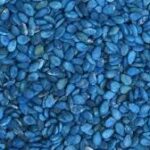
The quality of sesame seeds used for planting is a critical factor in germination success. Seeds stored improperly—exposed to high humidity, extreme temperatures, or pests—can lose viability over time. Fungal infections or mold during storage can also damage seeds, reducing their ability to germinate.
- Impact: Seeds with compromised embryos or fungal contamination often fail to germinate or produce weak seedlings that cannot survive early growth stages.
- Solutions: Store sesame seeds in cool, dry, and pest-free conditions, buy sesame seed from a known agro-deale, always buy a well-treated of good variety ( you get Ex-sudan and Jigida variety). Use seeds within their viability period (typically 1–2 years) and conduct germination tests before planting to ensure quality.
-
Other Factors Contributing to Poor Germination
Several additional factors can lead to poor germination on sesame farms:
- Soil Conditions: Compacted or nutrient-poor soils can hinder root development and seedling emergence. Sesame prefers well-drained, loamy soils with a pH of 5.5–8.0.
- Planting Depth: Sesame seeds are small and require shallow planting (1–2 cm). Planting too deep can prevent seedlings from reaching the surface, while planting too shallow may expose seeds to drying out or pest damage.
- Weed Competition: Weeds can compete with sesame seedlings for water, nutrients, and light, reducing germination success and early growth.
.
Conclusion
Poor germination in sesame farming is a multifaceted issue that can stem from insect activity, insufficient moisture, poor seed quality, and other environmental or management factors. By addressing these challenges through proper pest control, timing, seed storage, and soil management, farmers can improve germination rates and establish a strong foundation for a successful sesame crop. Regular monitoring, timely interventions, and adherence to best agricultural practices are key to overcoming these obstacles and maximizing yields



No comment yet, add your voice below!