
Sesame, also known as benne, is a remarkable crop with deep roots in human history and global cuisine. Native to sub-Saharan Africa and parts of India, this wild plant relative has been cultivated for over 5,000 years for its edible seeds, which grow in pods. Despite their small size, sesame seeds are a nutritional powerhouse, packed with flavor, oil, and versatility. As one of the oldest oilseed crops, sesame thrives in challenging conditions, making it a vital crop for farmers and a cornerstone of international trade. This blog post explores sesame’s agricultural significance, culinary applications, global production, trade dynamics, and the challenges and opportunities shaping its future.
The Resilient Nature of Sesame
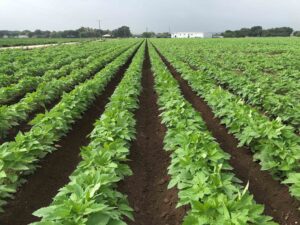
Sesame (Sesamum indicum) is renowned for its ability to grow where other crops fail. Tolerant of drought, high heat, and even excessive rain, sesame is a robust crop that requires minimal farming support. It thrives in tropical and subtropical regions, often grown by subsistence farmers on marginal lands near deserts. The crop’s resilience makes it a sustainable choice in drought-prone areas, as it requires relatively low water compared to other crops.
Sesame adapts to various soil types, performing best on fertile, well-drained soils with neutral pH. However, it has low tolerance for high-salt or waterlogged conditions. Adequate moisture is critical during germination and early growth, while moisture levels before planting and flowering significantly impact yields. Despite its hardiness, drought or excess water can reduce yields, highlighting the need for balanced conditions to maximize productivity.
Culinary Versatility: A Global Flavor
Sesame seeds are small but mighty, boasting one of the highest oil contents of any seed—up to 50% in some varieties. They are rich in healthy fats, protein, fiber, calcium, magnesium, and antioxidants, making them a valuable addition to diets worldwide. Their nutty flavor and satisfying crunch have made them a global culinary favorite, available in white, black, hulled, or unhulled forms.
- Asia: Sesame seeds are a common garnish on sushi and feature prominently in Japanese salads and baked snacks. Roasted tan and black sesame seeds are ground to create the flavorful gomashio. In China, ground black sesame and rice combine to make the delightful dessert and breakfast dish, zhimahu. Across India, sesame seeds are mixed with heated jaggery, sugar, or palm sugar to create energy-rich snacks like chikki.
- Middle East: Sesame is a cornerstone of Middle Eastern cuisine. The seeds are ground into tahini, a fundamental ingredient in hummus and baba ghanoush, and are also the star of the sweet confection halva. Sesame seeds are also a key component of the aromatic Levantine spice blend za’atar.
- Sesame Oil: While not all varieties are suitable for high-temperature frying, sesame oil is a valued cooking oil. The toasted form, with its distinct aroma and flavor, is often used as a finishing condiment.

Global Sesame Production
In 2022, global sesame production reached approximately 6.7 million tonnes, cultivated across 11.7 million hectares, primarily in Africa and Asia. Sudan, India, and Myanmar account for 41% of production, with Nigeria, Tanzania, Ethiopia, and China also significant contributors. India leads in cultivated area (35% of the global total), but its productivity (370 kg/ha) trails behind China (1,223 kg/ha) and Nigeria (729 kg/ha). In Africa, Uganda and Benin are emerging producers, with Uganda producing 140,000 tonnes in 2018, ranking 11th globally.
Sesame is often grown by smallholder farmers on marginal lands, providing a critical source of income in resource-scarce regions. Global production has grown at an average annual rate of 7.4% from 2007 to 2016, driven by expanded cultivation and improved practices. However, yields remain low in many areas due to reliance on traditional methods and limited access to high-yielding, disease-resistant seeds.
Sesame in Global Trade
Valued at over $35 billion annually, the global sesame seed trade involved approximately 2.5 million tonnes in 2022. Major exporters include Sudan, India, Nigeria, Ethiopia, and Tanzania, while China (45% of global imports), Japan, Turkey, and South Korea are the largest importers. Japan, the world’s top importer, relies on sesame oil for cooking, while Europe, particularly Germany and Greece, sees growing demand for tahini and baked goods. Other key importers include the United States, Canada, the Netherlands, and France.
Trade dynamics are influenced by seed quality, including appearance, purity, and oil content. White and lighter-colored seeds are commonly exported to Europe, the Americas, West Asia, and the Indian subcontinent, while black and darker seeds dominate markets in China and Southeast Asia. Nigeria, for instance, reported sesame exports worth N253.69 billion in 2023, reflecting its growing role in the global market.
Challenges Facing the Sesame Industry
Despite its potential, the sesame sector faces several challenges:
- Climate Change: Unpredictable weather patterns, such as droughts and floods, threaten production stability.
- Pests and Diseases: Insects and diseases can cause significant yield losses, particularly in regions with limited access to pest management solutions.
- Post-Harvest Losses: Sesame pods’ tendency to shatter and inadequate storage facilities lead to reduced marketable yields.
- Limited Mechanization: Reliance on manual harvesting in many regions increases labor costs and limits scalability.
- Food Safety Issues: Contamination risks, such as Salmonella or pesticide residues, can result in export rejections, as seen in a 2020 incident involving Indian sesame in Europe.
Opportunities for Growth
The sesame industry is poised for growth, with several opportunities on the horizon:
- Increasing Demand: Rising awareness of sesame’s nutritional benefits and the popularity of global cuisines, such as Middle Eastern and Asian dishes, are driving demand.
- Improved Varieties: Research into high-yielding, non-shattering, and disease-resistant sesame varieties can boost productivity and reduce losses.
- Value Addition: Processing sesame into oil, tahini, halva, or cosmetics creates new revenue streams for farmers and exporters.
- Sustainable Practices: Adopting sustainable farming methods, such as precision agriculture and organic certification, enhances productivity and market appeal.
- Market Diversification: Expanding into emerging markets and promoting sesame-based functional foods and health products can further grow the industry.
Conclusion
Sesame is more than just a seed—it’s a resilient, versatile crop that sustains farmers, nourishes communities, and fuels a dynamic global market. From its ability to thrive in harsh conditions to its starring role in cuisines worldwide, sesame’s significance cannot be overstated. While challenges like climate change, pests, and limited mechanization persist, the industry’s future is bright, with opportunities for innovation, value addition, and sustainable growth. At Sesame Solutions, we are dedicated to empowering sesame farmers with the knowledge, tools, and market insights needed to succeed in this thriving sector. Join us in celebrating the tiny seed with a mighty impact!




No comment yet, add your voice below!